
Evans County Criminal Court Files
A criminal court record in Evans County is the case file kept by the court once a charge is filed, accused, indicted, heard, or disposed. The file can show the State of Georgia as the prosecuting party, the defendant name, charges, docket events, motions, orders, pleas, verdicts, sentence terms, probation, fines, bond activity, and final disposition. The Evans County Clerk of Superior Court profile identifies the clerk as the records office for Superior, State, and Juvenile court filings. That matters because felony records and many misdemeanor records are not held by the Sheriff's Office after the case becomes a court matter.
Evans County criminal court records can start in more than one court. Superior Court is the general-jurisdiction trial court for felony criminal cases. State Court handles misdemeanors, traffic misdemeanors, arrest and search warrants, preliminary hearings, and some civil matters. Magistrate Court handles first appearances, bond hearings, pre-warrant applications, arrest warrants, and contested matters within its limited jurisdiction. Juvenile matters are handled through Juvenile Court and are not treated as ordinary public adult criminal files. A charge snapshot from a jail roster is useful, but the full court file is where pleas, motions, disposition, and sentence are tracked.
The Evans County arrest records and court charges page focuses on the arrest-to-charge stage. This criminal page focuses on the filed court case and outcome.
Search Evans County Criminal Records
Official research did not locate a county-hosted, anonymous, full-text Evans County criminal case database. For Superior and State Court case access, Georgia Courts points users to provider access. The Georgia Courts e-access page says a user selecting Find a Court Case is redirected to a provider website and must have an account to search court records. Evans Superior and Evans State route through PeachCourt, which is an eFiling and document-access provider rather than a simple public search box.
- Start with Georgia Courts e-access and use the Find a Court Case path for Evans Superior or Evans State.
- Follow the provider route to PeachCourt and create or use an account if access is available for the needed record.
- Search with the identifiers available to the account, such as name, case number, court, or date range when the provider allows them.
- Read the docket entries for filed charges, hearings, motions, pleas, orders, and disposition before treating a charge as final.
- If online access does not show the file, visit the Clerk of Superior Court counter for public inspection or copy guidance.
Evans County's GSCCCA clerk profile includes an unusually direct limit: no phone-in or write-in searches. That notice means the clerk's phone line is useful for office questions, but staff should not be expected to research a criminal file by phone or mailed request. For the wider court-record context, the Evans County court records page separates PeachCourt, GSCCCA indexes, Magistrate Court, Probate Court, and clerk-counter channels.
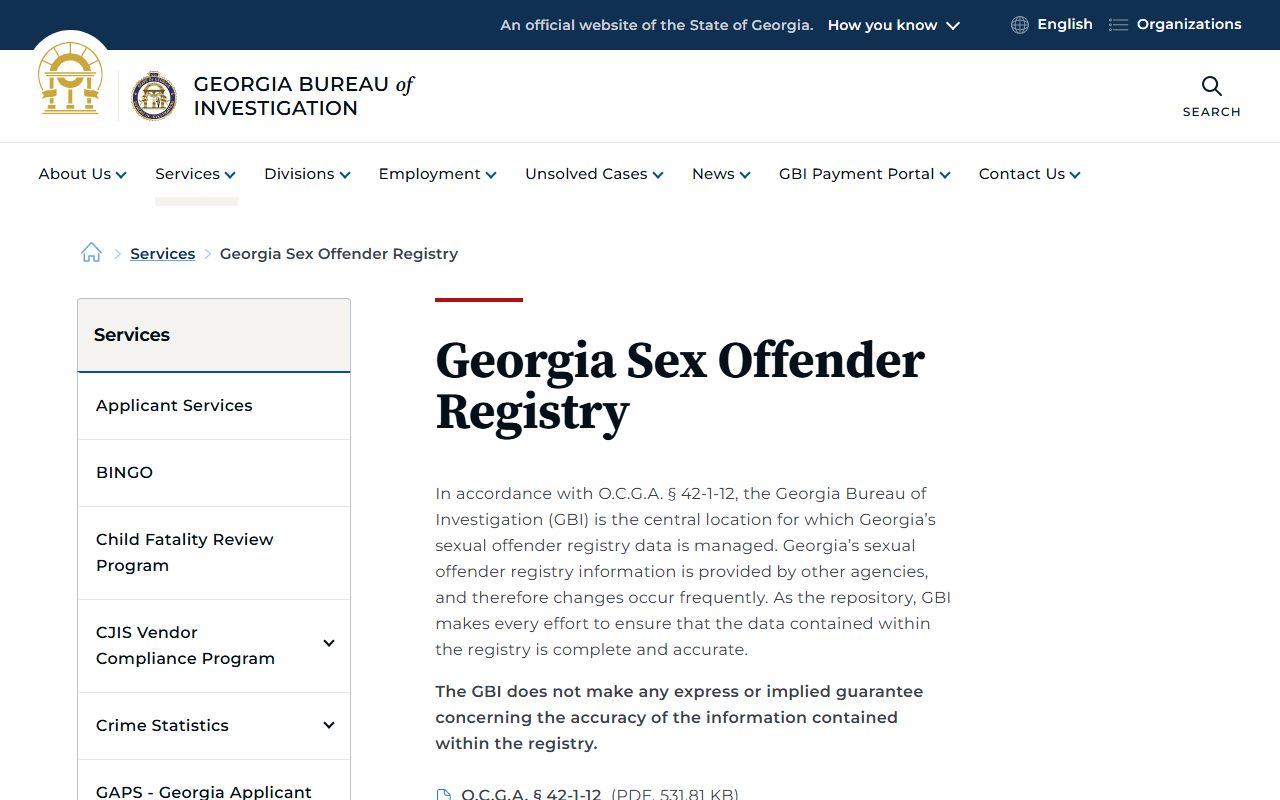
The Georgia Sex Offender Registry public search page is one official criminal-record related source, but it is not a substitute for an Evans County criminal court file.
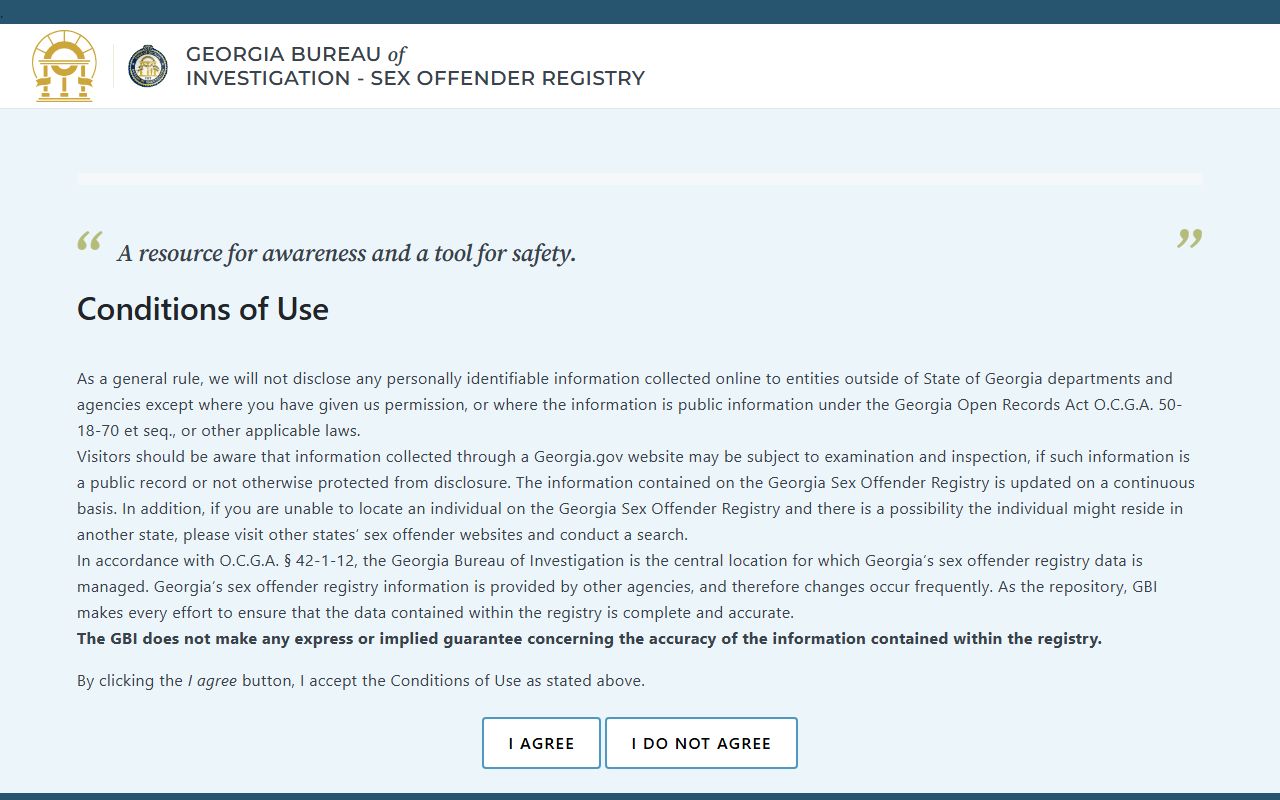
Registry results are a separate state system, so a court disposition or sentence should still be verified against the court record or the proper criminal-history source.
Evans County Criminal Case Flow
Criminal case records in Evans County can begin with an arrest, warrant, citation, accusation, or indictment. A prosecutor then reviews the matter and decides what charges move forward. The Atlantic Judicial Circuit District Attorney handles felony and many criminal matters for Evans County, while PAC lists a solicitor-general for State Court misdemeanor work. The court file grows as each filing, hearing, plea, order, or sentence is entered.
Case flow: Charges Filed › Arraignment › Pretrial and Motions › Plea or Trial › Disposition › Sentencing
| Stage | What the Evans County record may show |
|---|---|
| Charges Filed | Accusation, indictment, warrant, citation, statute, count, court, and prosecutor action. |
| Arraignment | Formal reading or waiver of charges and the plea entered by the defendant. |
| Pretrial and Motions | Bond terms, discovery activity, motions, continuances, orders, and hearing settings. |
| Plea or Trial | Guilty plea, not guilty plea, nolo plea, bench trial, jury trial, verdict, or dismissal event. |
| Disposition | Final result for each count, including guilty, dismissed, acquitted, reduced, or nolle prosequi. |
| Sentencing | Jail, prison, probation, fines, restitution, first-offender terms, or treatment-court conditions. |
The GBI record restriction page explains that some Georgia criminal history may later be restricted if the case meets state rules.
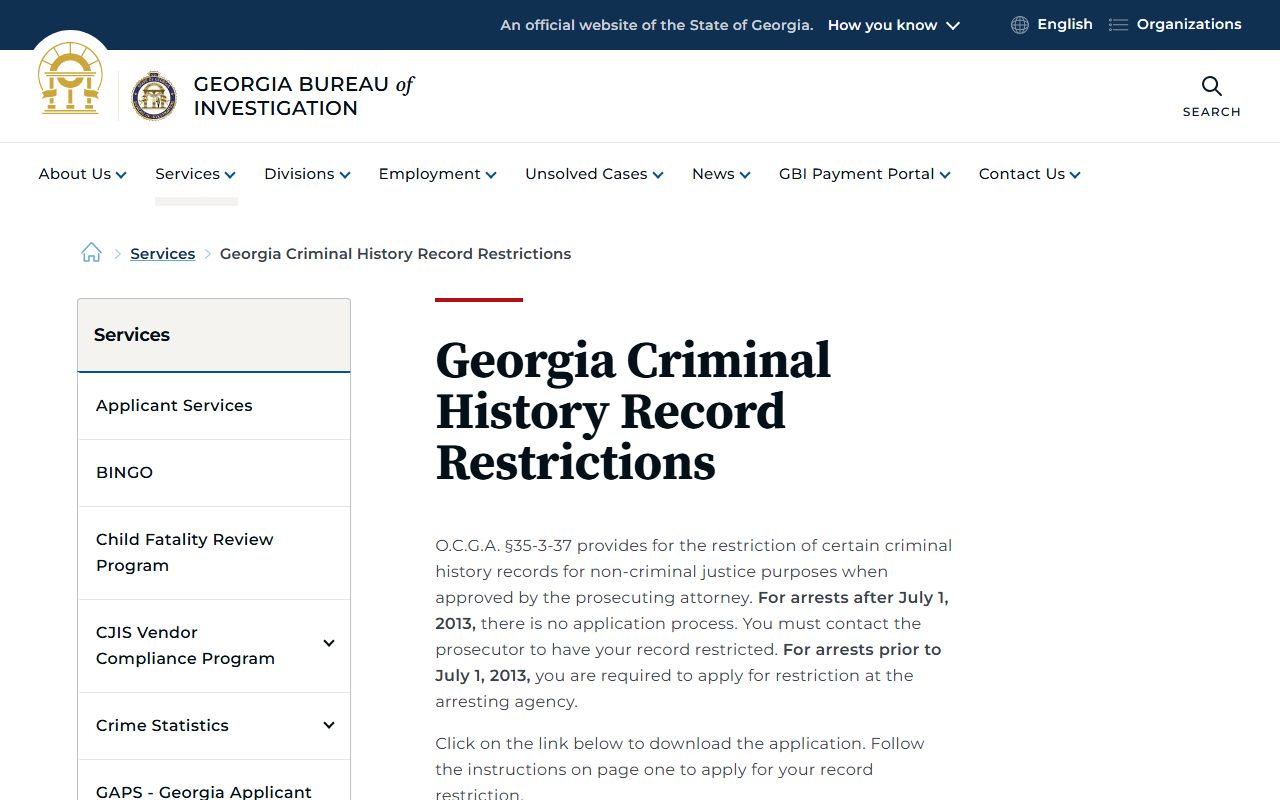
Restriction rules affect public release, but they do not mean the underlying court and criminal justice records were never created.
Evans County Criminal Record Fields
No anonymous Evans County case sample was available in official research because the online case path is account-gated. Georgia practice and the research file identify the fields most likely to matter in a full criminal file. A roster charge line may show a warrant number and bond. The court file may then show whether that charge was filed, reduced, dismissed, or resolved by plea or trial.
| Field | What it shows |
|---|---|
| Case number | The court's identifier for the criminal case or count group. |
| Court | Superior, State, Magistrate, Juvenile, or municipal venue when applicable. |
| Defendant | The person charged in the criminal case. |
| Charges | Statute, count, charge description, misdemeanor or felony flag, and filing instrument. |
| Docket entries | Hearings, motions, filings, orders, continuances, notices, and judgments. |
| Plea | Guilty, not guilty, nolo, or other plea entry by count. |
| Disposition | The result of each charge, such as convicted, dismissed, acquitted, or nolle prosequi. |
| Sentence | Custody, probation, fines, costs, restitution, or special conditions. |
Evans County Charges vs Convictions
A charge is an accusation. A conviction is an outcome. Evans County criminal court records may show charges that were later amended, reduced, dismissed, or resolved by nolle prosequi. The difference is crucial for reading an Evans County case file because a roster entry or early docket entry does not prove the final result. The prosecutor may screen the case, file different counts, agree to a plea, or dismiss a count before final judgment.
| Point | Charge | Conviction |
|---|---|---|
| Meaning | An accusation filed or listed after arrest, warrant, citation, accusation, or indictment. | A final guilt finding by plea, verdict, or court judgment. |
| Where it appears | Roster charge lines, warrant entries, charging documents, and early docket events. | Disposition, judgment, sentencing entry, and criminal-history release when reportable. |
| Can change | Yes, it may be amended, reduced, dropped, or replaced. | It changes only through court action, appeal, correction, restriction, or other legal process. |
| Use with care | Do not treat it as proof of guilt. | Still verify the exact count, sentence, and restriction status. |
The GBI criminal history FAQ explains what Georgia criminal-history information includes and how releases may exclude or restrict certain records.
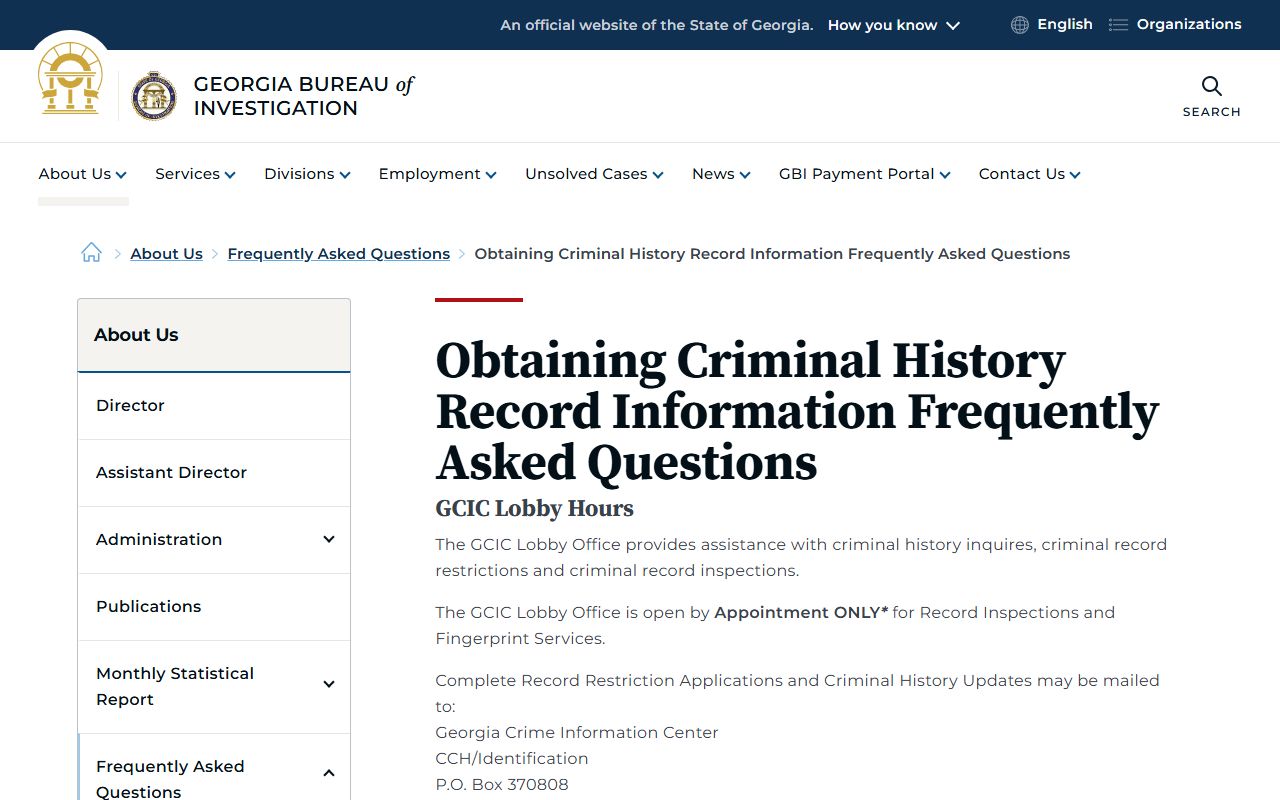
GBI criminal-history material is useful for statewide context, while the Evans County court file remains the source for court entries and final orders.
Evans County Criminal Access Rules
Georgia law favors public access to government records, but criminal court files still follow court rules, sealing rules, redaction rules, and clerk procedures. O.C.G.A. 50-18-70 states Georgia's broad policy of open government. O.C.G.A. 50-18-71 covers inspection, copying, timing, and fees for public records unless an exemption applies. Court files also depend on Uniform Superior Court Rule 21, which treats court records as public unless law or a court order limits access.
Rule note: Uniform Superior Court Rule 36.17 requires parties to redact protected identifiers such as full Social Security numbers and financial account numbers.
The Georgia Governor's open-records request page describes the request process for agency records.
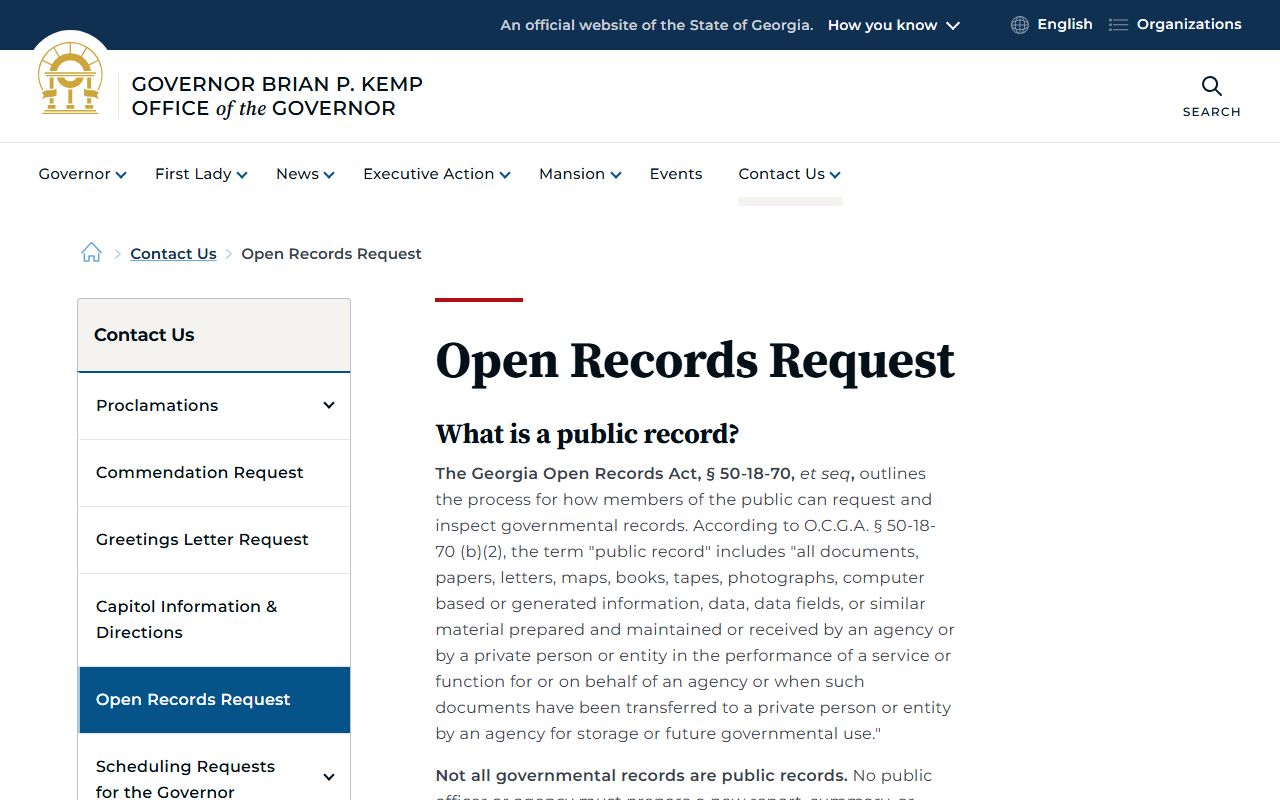
For Evans County court case files, open-records principles are only one part of access because the clerk and court rules control case-file inspection and copies.
Restricted Evans County Criminal Records
Georgia uses record restriction more often than the older term expungement. Under O.C.G.A. 35-3-37, eligible criminal history may be restricted for non-criminal justice purposes. Georgia.gov says the record is not destroyed; it remains available to judicial officials and criminal justice agencies. O.C.G.A. 42-8-62.1 also permits sealing of certain first-offender court files and related criminal-history information when statutory conditions are met.
| Point | Sealed or restricted | Expunged in casual speech |
|---|---|---|
| Georgia term | Record restriction or sealing is the precise term for many cases. | Often used by the public, but it may not mean destruction. |
| Public visibility | Limited from ordinary public or employment release when approved. | May still be available to courts or criminal justice agencies. |
| Common basis | Closed case without conviction, eligible misdemeanor, first offender, or court order. | Depends on the same Georgia statutes and procedure. |
| Evans County path | Pre-July 1, 2013 arrests often start with the arresting agency; later arrests often start with the prosecutor. | The final disposition from the Clerk of Superior Court may still be needed. |
The GBI sex offender registry service page explains the state repository role for registry records under Georgia law.
Registry records, restricted histories, and court case files have different custodians, so each source must be checked for its own limits.
Juvenile delinquency, dependency, CHINS, and youth traffic records are also restricted compared with adult criminal court records. Adoption records, mental-health proceedings, protected identifiers, and sealed filings should not be expected in ordinary public results.